STEMscope: Unveiling the Cosmos
STEMscope takes you on a journey through the universe, highlighting the incredible space missions, groundbreaking discoveries, and the important people who’ve explored the unknown. Join us as we unveil the wonders of the cosmos, from past milestones to the latest frontiers in space exploration. Dive deep into the wonders of space with every new discovery.
12 STEM GALILEI - By: San Diego,
Ramos, Sioson, Malicdem,
Manlangit, San Pedro, & Salvador.
Pioneers of the Cosmos

Yuri Gagarin
The first human in space was Soviet cosmonaut Yuri Gagarin on the 12th of April 1961. He orbited Earth once aboard the Vostok 1 spacecraft. This historic flight lasted just 108 minutes, but it had a profound impact on space exploration and human history. His contribution to space exploration is monumental because his flight symbolized a significant leap for humanity in the quest to explore the cosmos.
Valentina Tereshkova
The first woman to fly in space, Tereshkova made history in 1963 aboard Vostok 6. Her mission demonstrated the critical role of women in the field of space exploration and inspired generations of female astronauts to follow in her footsteps. Her mission lasted almost three days, during which she orbited the Earth 48 times. She conducted a variety of scientific experiments, including studying the effects of spaceflight on the human body and testing the spacecraft's systems.

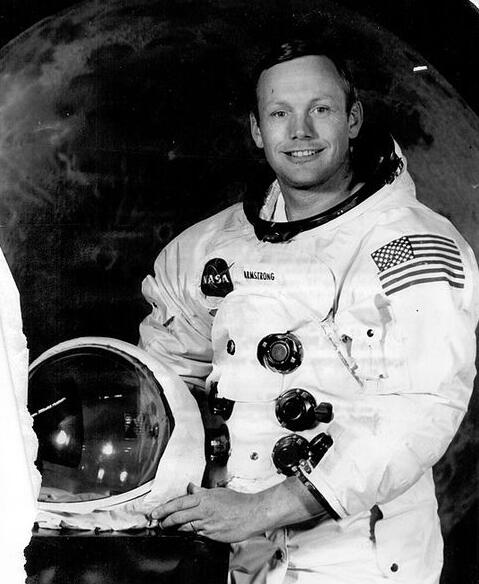
Neil Armstrong
The first person to set foot on the Moon was American Neil Armstrong on 20 July 1969. Upon exiting his spacecraft, the lunar module, Armstrong said the now famous words, "That's one small step for man, one giant leap for mankind." Armstrong’s famous quote from the Moon landing has become an enduring part of history, symbolizing human curiosity, innovation, and the spirit of exploration.
Modern day Heroes
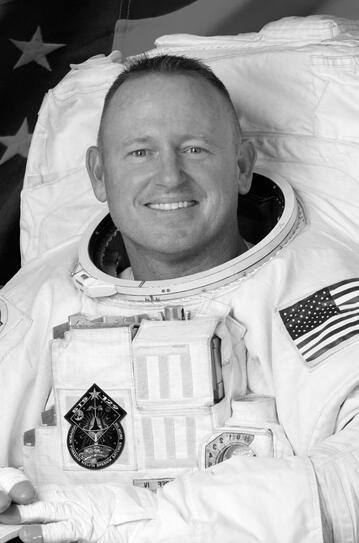
The term “astronaut” derives from the Greek words meaning “star sailor,” and refers to all who have been launched as crew members aboard NASA spacecraft bound for orbit and beyond. The term “astronaut” has been maintained as the title for those selected to join the NASA corps of astronauts who make “star sailing” their career profession.For more than two decades, people have lived and worked continuously aboard the International Space Station, advancing scientific knowledge, and making research breakthroughs that are not possible on Earth. As of March 2025, the corps has 47 "active" astronauts consisting of 20 women and 27 men

Exploration of Mars
Mars, the fourth planet from the Sun, has long fascinated humanity due to its similarities to Earth, its mysterious surface, and its potential for hosting life—past or present. Over the past several decades, scientific advancements, robotic missions, and technological innovations have brought humanity closer to understanding the Red Planet.
Moon Secrets: Fun Facts You Didn’t Learn in Class
Welcome to Moon Secrets: Fun Facts You Didn't Learn in Class! Forget the boring textbook stuff, because we're about to dive into the quirky side of our favorite celestial neighbor.
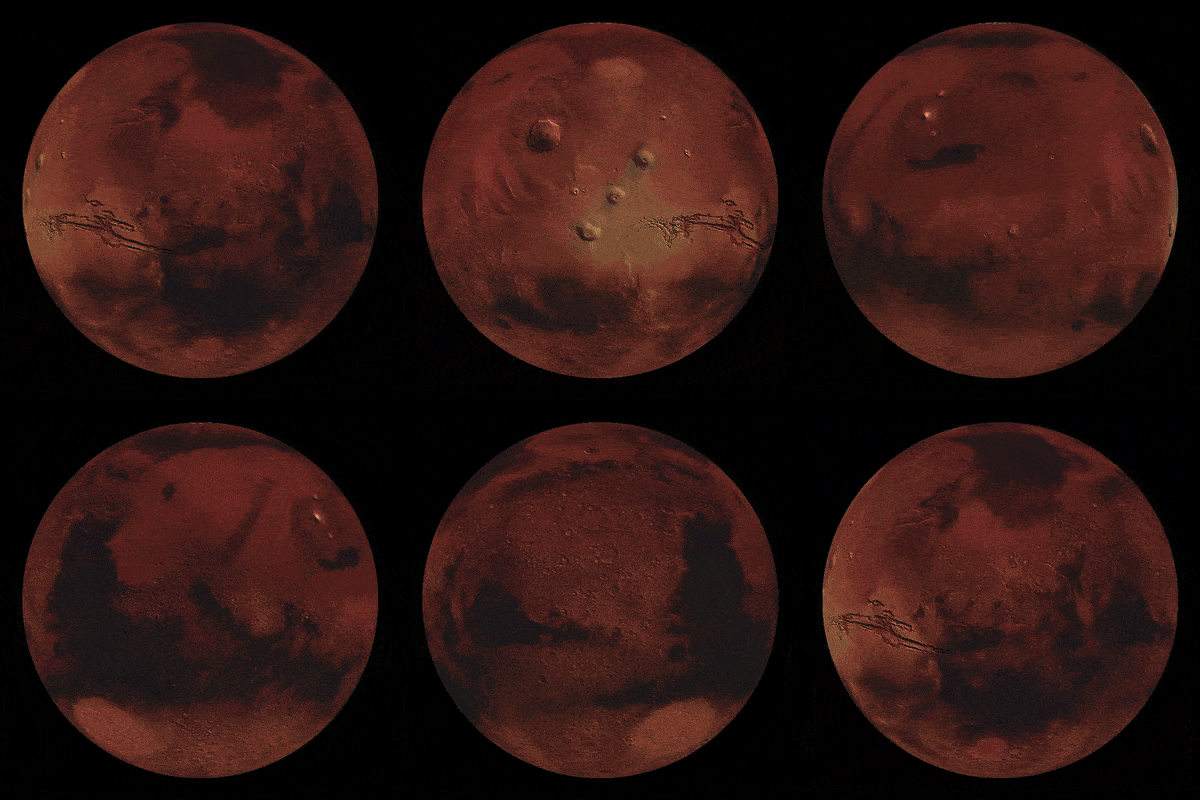
Mars: The Red Planet
Mars is a fascinating planet. It’s icy cold and covered in reddish dust and dirt. Like Earth, it has volcanoes, gullies, and flat plains. Scientists can also see channels that look like they were carved by rivers and streams a long, long time ago.
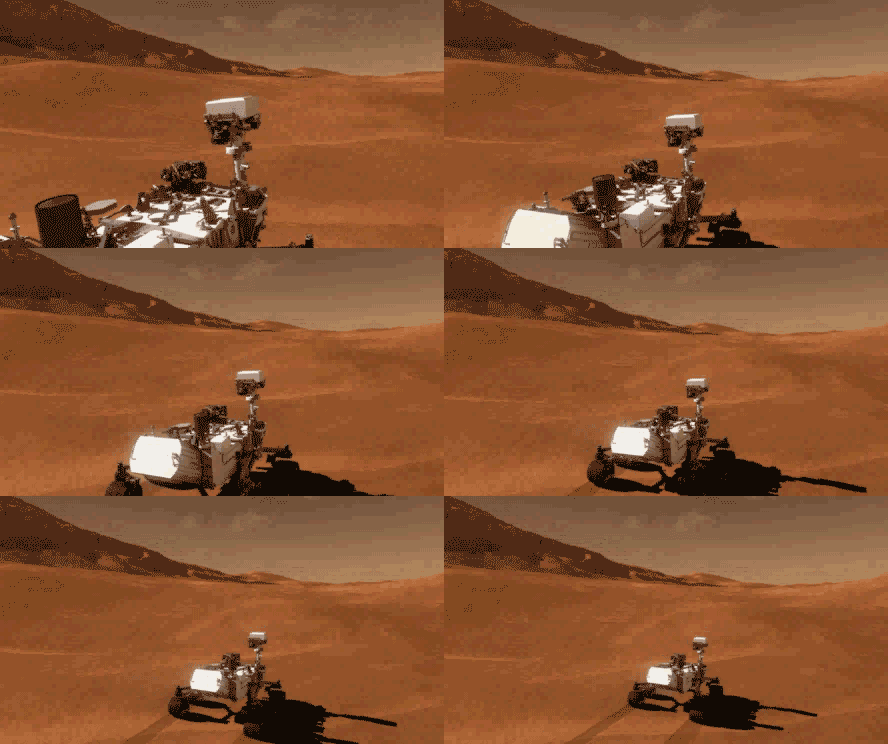
The Mars Rovers
NASA has sent five robotic vehicles, called rovers, to Mars. The names of the five rovers are: Sojourner, Spirit and Opportunity, Curiosity, and Perseverance. Since the 1970s, scientists have been sending spacecraft to Mars. Several different types of spacecraft have been sent to the Red Planet over the years, and they all have different specialties. Rovers help scientists in their quest to understand what different parts of the planet are made of. Mars is made up of lots of different types of rocks, and each rock is made up of a mixture of chemicals.
• Ambitious plan for Mars is perhaps the most high-profile effort for human exploration. SpaceX aims to send humans to Mars using its Starship vehicle, a fully reusable spacecraft designed for deep space travel. The timeline for this is still evolving, but SpaceX’s goal is to establish a human settlement on Mars, starting with cargo missions in the 2020s and potentially crewed missions in the 2030s.• NASA’s Artemis Program: While the Artemis program is primarily focused on returning humans to the Moon by the mid-2020s, it is also a stepping stone for Mars. NASA plans to use the experience gained from lunar missions to help develop the technology and systems needed for Mars exploration. The Space Launch System (SLS) and the Orion capsule are key components for deep-space missions, including Mars.• Mars 2030 Mission (NASA & Private Sector): NASA’s long-term plan includes sending astronauts to Mars in the 2030s. This mission would involve advanced life support systems, radiation protection, and technologies for sustainable living on the Martian surface. In-situ resource utilization (ISRU) will be essential, allowing astronauts to use local materials to produce fuel, water, and oxygen.
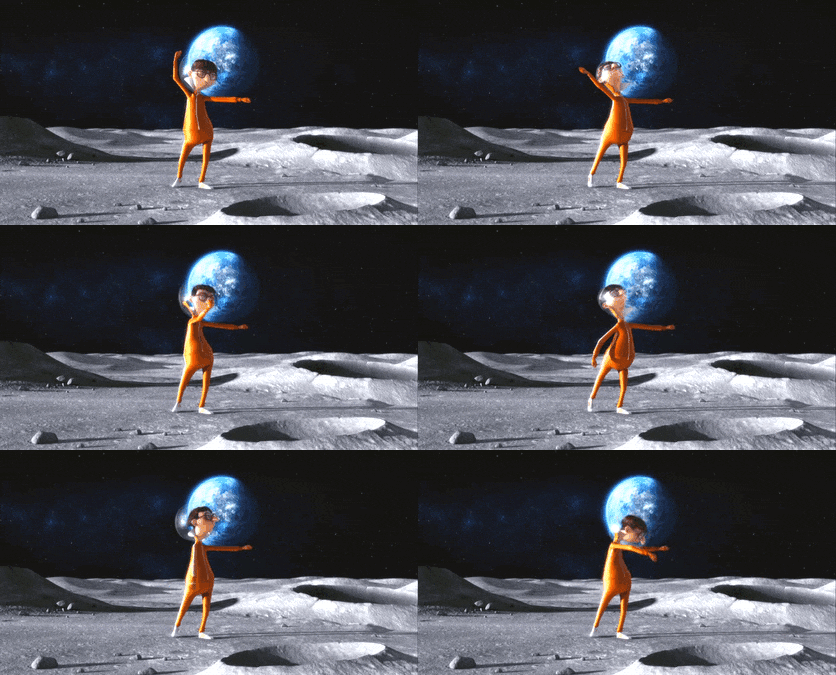
Tonight !! We Steal !!
The Moooon !!
The Moon, that shiny rock in the sky, has been the subject of many grand schemes, but none more iconic than Dru from Despicable Me. His master plan? Steal the Moon, of course! Because why settle for a regular heist when you can aim for the biggest, most impossible thing in the sky?
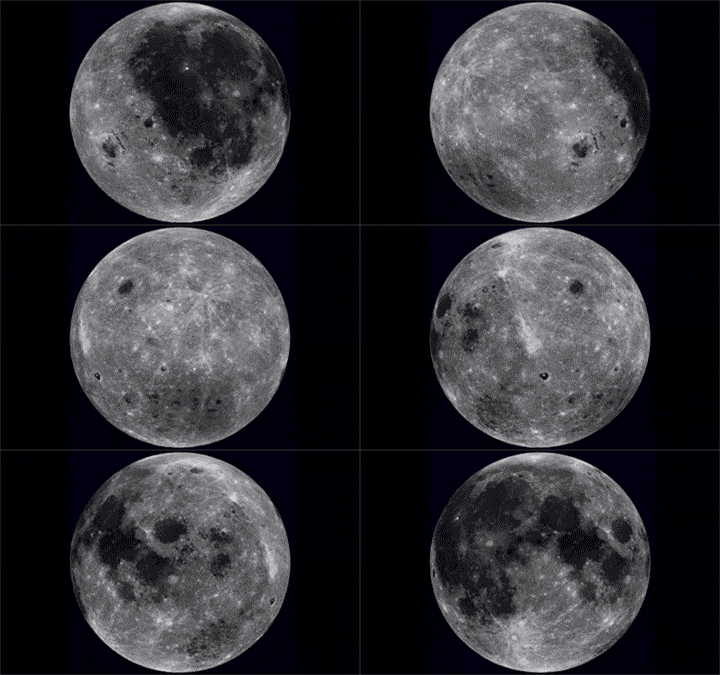
The Moon is actually drifting away from usThe Moon is slowly drifting away from Earth—about 1.5 inches (3.8 centimeters) every year. This might sound surprising, but it's due to a phenomenon called tidal acceleration. The gravitational pull between the Earth and the Moon causes tides on Earth, and as Earth’s rotation slows down due to friction, the energy is transferred to the Moon, pushing it slightly farther away.While it may seem insignificant now, over millions of years, this drift adds up. In about 600 million years, the Moon will be around 14,000 miles farther away than it is today. As the Moon moves away, Earth's day will also lengthen, though this happens very gradually.The Moon Was Kinda Magnetic Back in the DayThe Moon used to have a magnetic field—sort of! Around 4 billion years ago, during a period known as the lunar dynamo, the Moon had an active, global magnetic field similar to Earth’s. This magnetic field was likely generated by a molten core, which created a dynamo effect, just like the one that powers Earth’s own magnetic field today.However, this magnetic field didn’t last forever. Over time, the Moon's core cooled and solidified, and the dynamo effect shut down. By about 3 billion years ago, the Moon’s magnetic field disappeared, leaving it without the protective shield Earth enjoys today.The Moon’s Got Trust Issues — It Won’t Show Us Its Other Side.The Moon has a bit of a trust issue—it only ever shows us one side. This is because the Moon is tidally locked to Earth, meaning it takes the same amount of time to rotate on its axis as it does to orbit Earth.Tidal locking happens when the gravitational forces between two objects cause one of them to always show the same face to the other.In the Moon's case, its gravity has caused it to rotate on its axis at the same rate it orbits Earth. As a result, one side of the Moon is always facing Earth, while the other side — often mistakenly called the "dark side" — is never visible from our planet. However, both sides of the Moon receive sunlight during its orbit; it's just that one side is always turned away from Earth.